
Playing Baseball in New China
在新中国打棒球:一项体育运动的境遇变迁及其多重角色
Sha Qingqing, “Playing Baseball in New China,” CPC History Studies, 2014, no. 2, pp. 45–54.
Playing Baseball in New China: The Changing Circumstances and Multiple Roles of a Sport
Sha Qingqing
[Abstract] After the founding of the People's Republic of China, baseball, as a competitive sport introduced from the United States and Japan, experienced a period of vigorous development in the 1950s and was incorporated into the scope of socialist professional sports. By the 1960s, baseball suddenly faced exclusion; although there were fluctuations during this period, the sport almost completely disappeared until it was revived towards the end of the Cultural Revolution. This study explores the process of the politicization of sports during this period by tracing the rise and fall of baseball, thereby analyzing the hidden political connections between sports and the Chinese Communist Party's military training, united front work, and diplomacy.
[Keywords] Politicization of sports; Baseball; American culture; Military training; United front; Diplomacy
[CLC Number] D232; G812.9; K27 [Document Code] A [Article ID] 1003-3815(2014)-02-0045-10
Play Baseball in New China: A Sport’s Situation Changes and its Multiple Roles
Sha Qingqing
Abstract: After the founding of new China,baseball,from America and Japan,had a period of vigorous develop-ment in 1950s and was also included in the scope of socialism professional sports.Until to the 1960s,baseball was suddenly excluded.Although experienced setbacks,the entire project almost completely disappeared.Until the late of the“Cultural Revolution”baseball got recovered.This study hopes to explore the politicized process of physical exercises during this period by combing baseball’s development of rise and fall in order to analyze hidden political relations between physics and the CPC’s arm training,united front and diplomacy.
I. Introduction
On August 1, 1952, the First PLA Games, also known as the "August 1st" Games, were in full swing in the suburbs of Beijing. In addition to common sports such as track and field, football, basketball, and volleyball, baseball, a relatively niche sport, was also included as an official event. At that time, the six major military regions, the navy, and the public security forces all sent baseball teams to compete, with the intensity of the competition no less than that of other ball games.1 This was also the first national baseball competition held in New China.
As is well known, baseball is a team sport that originated and flourished in the United States, also known as "America's Pastime." Starting in the late 19th century, with the global spread and expansion of American economic, cultural, and military influence, baseball began to gain popularity in Japan, South Korea, the Taiwan region of China, the Caribbean, and Latin America. Despite its American origins, baseball enjoyed a brief golden age of development after the founding of New China. According to statistics, at least ten national baseball championships were held before 1960, with frequency and scale far exceeding those of the Republican era. Baseball was also an official event at the First National Games, with an unprecedented 23 teams participating.2 For example, at the end of 1958, when the "Great Leap Forward" movement was in full swing, Shanghai also hosted a national zonal competition involving 11 units.
In fact, the history of baseball in China is not short, dating back to the late Qing Dynasty, where it initially served as a leisure activity among American expatriates or Chinese students studying in the United States.3 Entering the 20th century, more and more students who had
[1] "PLA All-Army Sports Conference 'August 1st' Held in Beijing," People's Daily, July 22, 1952; Xie Ding: "The North China Military Region Baseball Team Wins the Championship," People's Daily, August 10, 1952.
[2] "Some Weaker Teams Study Hard and Practice Diligently, Gaining the Upper Hand in Competitions," People's Daily, June 29, 1959.
[3] According to existing research, the earliest baseball team in China appeared in Shanghai in 1863, composed of Americans residing in Shanghai. The earliest Chinese to come into contact with baseball were likely the first group of government-sponsored students sent to the United States in 1873. This group of students, represented by Zhan Tianyou, formed the "Chinese Baseball Team" at Yale. For related research, see Chen Xianming, Liang Youde, and Du Kehe: History of Baseball in China, Wuhan Publishing House, 1990, pp. 5-6; Chen Xianming: "Baseball During the Period of the Nationalist Government in China," Journal of Chengdu Institute of Physical Education, Issue 3, 1991; Song Xiaoneng and Chen Jingxia: "A Preliminary Analysis of the Development Path of Baseball in China," Journal of Harbin Institute of Physical Education, Issue 5, 2005; etc.
students who returned home after completing their studies began to organize and develop baseball domestically, and the sport also appeared and developed at universities such as Tsinghua, Yenching, Fudan, St. John's, and Nankai.1 A careful analysis of the growth trajectory of baseball in China during this period reveals that the main areas of development were China's most important major cities at the time, and activities were carried out relying on various universities, middle schools, or chambers of commerce. Although it was listed as an official competitive event in national games such as the National Games during the Republican era, and even featured games in Shanghai by the greatest baseball stars in American history, the popularity of baseball nationwide
was not high.2
After October 1949, the new regime adopted a relatively positive stance towards baseball. In May 1954, the State Sports Commission reviewed and published the "Rules for Baseball and Softball Competitions." Major sports colleges listed baseball as one of the main ball game courses, hoping to cultivate a large number of physical education teachers and professionals who understood baseball in a short period. In 1956, the State Sports Commission formally proposed vigorously promoting "relatively new sports events," including baseball and softball, in its work plan.3 In April of the same year, the State Sports Commission further published the "Standards for Baseball and Softball Grades in the People's Republic of China" based on this, establishing the status of baseball from a professional sports perspective, and baseball players could also be seen at the First National Games held subsequently. However, after 1960, this sport rapidly cooled down in mainland China, gradually losing its vitality as a competitive sport and transforming into a tool for external propaganda.
After October 1949, the Cold War pattern had already formed. It was an unusual sports phenomenon that baseball, as the most typical American-style leisure sport, once gained popularity in China on the other side of the "Iron Curtain." Among the socialist camp in the 1950s, China was the only country that vigorously developed baseball, with almost no baseball teams in the Soviet Union.4 The complex implications behind this phenomenon far exceeded the scope of sports and were closely related to the social control strategies of the new regime at the time, involving many aspects such as ideological propaganda, united front work, and diplomacy.
Since the 1990s, research on the relationship between modern sports and politics has gradually attracted attention from scholars at home and abroad, with related studies emerging continuously.5 Among them, discussions on the role of sports in international relations within the context of the Cold War have gradually increased.6 Susan Brownell's research has made pioneering contributions to the study of sports politics in China, touching upon the so-called "socialist" and "nationalist" political attributes of sports in New China.7 Other researchers have attempted to examine historical and political topics such as international relations, colonialism, and national consciousness starting from baseball, mostly focusing on Japan and the Taiwan region of China as research subjects.8 This article attempts to use baseball in
[1] A Brief History of Modern Sports in China, People's Sports Publishing House, 1981, pp. 59-60.
[2] In December 1934, a star team from Major League Baseball, led by the famous American baseball star Babe Ruth, visited Shanghai and held exhibition games, causing a sensation in public opinion. This can be seen as a high point in the development of baseball in China before 1949. See "Baseball King Babe Ruth Leads American Baseball Team to Arrive in Shanghai This Morning," Shen Bao, December 5, 1934; "Baseball King Babe Ruth and Others Tested Their Skills Yesterday at Shen Garden," Shen Bao, December 6, 1934.
[3] "China's International and National Sports Activities Will Increase Significantly This Year," Xinhua News Agency Bulletin, Issue 2056, January 29, 1956.
[4] Baseball in the Soviet Union did not begin to take off until the latter half of the 1980s, driven by the background of baseball officially becoming an Olympic event in 1992. See David Falkner, Soviet Baseball Taking Its First Steps, New York Times, October 13, 1988.
[5] Allen Guttmann,Games and Empire: Modern Sports and Cultural Imperialism,New York: Columbia University Press,1994.
[6] Barrie Houlihan,Sport and International Politics,New York: Harvester Wheatsheaf,1994; Nicholas Saran-takes,Dropping the Torch: Jimmy Carter,the Olympic Boycott,and the Cold War,Cambridge: Cambridge Uni-versity Press,2010.
[7] Susan Brownell, Training the Body for China: Sports in the Moral Order of the People’s Republic of China, Chicago: University of Chicago Press, 2005. For research on China's sports diplomacy during that period, see also Zhu Li and Tang Pei, "Sixty Years of China's Sports Diplomacy: Review and Outlook," Sports Culture Guide, Issue 12, 2009; Yu Dawei and Yuan Lei, "A Historical Review of China's Foreign Aid in Sports," Journal of Beijing Sport University, Issue 8, 2010.
[8] For example, before and after World War II, baseball, as an American symbol, was localized in Japan and subsequently became part of war mobilization. After the war, baseball became an important lubricant for establishing new relations between the United States and Japan. See Robert K. Fitts, Banzai Babe Ruth: Baseball, Espionage, and Assassination during the 1934 Tour of Japan, Lincoln & London: University of Nebraska Press, 2012; Sayuri Guthrie-Shimizu, Transpacific Field of Dreams: How Baseball Linked the United States and Japan in Peace and War, Chapel Hill: University of North Carolina Press, 2012. Another example is that at the beginning of Taiwan's restoration, the Kuomintang regime was indifferent to baseball, which had been deeply influenced by Japan, allowing it to survive or perish on its own. It was not until the 1970s, when Taiwan's junior baseball team won the world championship, that the regime began to attach importance to it and granted it the status of the so-called "national ball." See Yu Junwei, Playing in Isolation: A History of Baseball in Taiwan, Lincoln & London: University of Nebraska Press, 2007; Andrew Morris, Colonial Project, National Game: A History of Baseball in Taiwan, Berkeley: University of California Press, 2010; Chen Jiamou, "A Study on the Development of the Taipei City Bankers' Association Baseball Team in the Early Post-Restoration Period (1948–1968)," Journal of Physical Education, Issue 3, 2002.
Taking the rise and fall of New China's development as an observational perspective, this study further explores the various political undercurrents beneath sports symbols and the complex
impacts they bring, from three levels: military sports, united front sports, and diplomatic sports.
II. From "Recreation" to "Military Ball"
The arena of the first PLA Sports Meet in 1952 became a new stage for baseball, inevitably reinforcing its unique characteristics of "military sports."1 In fact, the Communist Party's army had begun to engage with baseball during the Yan'an period and incorporated it into "military physical education."2 Around 1939, some Japanese prisoners of war from the "Japanese Soldiers' Awakening League" were the first to start playing baseball as a leisure activity in base areas such as Yan'an and Shanxi. Eighth Route Army officers and soldiers who were interested subsequently began to learn and
organize matches.3
Around 1940, baseball was particularly popular in the 129th Division under Liu Bocheng, which organized dedicated youth baseball teams and formal matches. Liu Bocheng attached great importance to military physical education, believing that sports could assist military training. He particularly advocated for troops to play baseball, as playing baseball could greatly exercise arm strength, help with grenade throwing, required simple equipment and low costs, and could also foster teamwork among soldiers.4 To promote simplified baseball, the division's newspaper, Battlefield News, published articles such as "How to Play Baseball," which helped popularize baseball among grassroots units.5 This was so widespread that songs sung in the base areas at the time, such as the "Sports Song," included lyrics like "Play baseball... see whose arms are thicker."6 After the end of the War of Resistance, the Communist Party's army continued to retain baseball as a form of military physical education. In April 1948, in drafting the report "On the Struggle in the Dabie Mountains and the Overall Situation," Liu Bocheng even used a baseball game as an example, writing: "The formation we are setting up today is just like playing baseball, setting up several bases."7
In the second half of 1949, because relevant military leaders believed that "baseball has special effects in exercising physical strength and vision, cultivating the revolutionary heroism of regular soldiers in being brave and enterprising, agile and flexible movements, quick and decisive judgment, and systematic coordination," they called for the promotion of baseball in grassroots companies. To further prove that sports like baseball could promote military training, the People's Daily published an article citing an example: "For instance, Liu Hongsheng, a soldier in a certain military district, used to blink when firing at targets, resulting in a low hit rate. After he practiced playing baseball, he no longer blinked when the gun fired, and his hit rate improved significantly."8
After more than two years of development, nearly every regiment in the North China Military Region had its own baseball team.9 In certain regiments where baseball was particularly well developed, "each company even had two baseball teams, and generally speaking, they all played well. Baseball had become the most popular sport among the broad ranks of soldiers."[10] Besides the North China Military Region, the Qingdao and Wusong naval bases and the East Sea Fleet had all launched large-scale baseball activities. Among them, the Qingdao base developed particularly well; moreover, the Qingdao Naval Hospital had a group of Japanese military doctors, most of whom liked baseball, so there were many matches and practice sessions in peacetime. In December 1952, the East China Naval Command established a naval sports team in Shanghai, specifically hiring Liang Fuchu, the most famous baseball coach of the Republican era, as a guest instructor for the team.[11] To achieve good results in the all-military competition, the Southwest Military Region also once pulled outstanding sports talents from various places to form a baseball team, conducting several months of intensive closed training.[12] During this period, Liang Fuchu was also invited to Sichuan to give lectures, hoping to quickly improve the baseball competitive level of the local troops.
After the first all-military sports meet, baseball in the various units across the country
[1, 2, 3, 4, 5, 6, 7] Huang Jinlin's research has discussed the enormous influence of military concepts on bodily construction since modern times, and an important pathway for the militarization of the body is "sports." See Huang Jinlin, "Military Bodily Construction in Modern China, 1895–1949," Bulletin of the Institute of Modern History, Academia Sinica, No. 43, 2004; Huang Jinlin, Polity and Body: Soviet Revolution and the Body, 1928–1937, Taipei: Lianjing Publishing House, 2005. Gu Shiqun (ed.), History of Chinese Sports, Vol. 2, Beijing: Beijing Institute of Physical Education Press, 1989, pp. 295–297. See Xin Ying, "Baseball in the Third Military Sub-district of Taihang during the War of Resistance against Japan," Sports Culture and History, No. 3, 1984. Also see oral recollections by students of the Yan'an Sub-district Cadre Children's School at the time, such as Zhu Yuli and Ruan Chongwu (Documentary My War of Resistance, Episode 9, 2010). Chen Xianming, Liang Youde, and Du Kehe, History of Baseball in China, pp. 17–18. Liu Beigeng, "From the Anti-Japanese Vanguard News to the Battlefield News—Recollections of Newspaper Work in the 129th Division of the Eighth Route Army," in Famous Generals' Style, Chengdu: Chengdu Publishing House, 1991, pp. 224–239. Xin Ying, "Baseball in the Third Military Sub-district of Taihang during the War of Resistance against Japan," Sports Culture and History, No. 3, 1984. Selected Military Writings of Liu Bocheng, Beijing: PLA Publishing House, 1992, p.
410.
[8, 9, 10, 11, 12] Wang Ke, "Sports in the Chinese People's Liberation Army," People's Daily, November 28, 1953. Meng Zhao, "Preliminary Experience in Developing Baseball in the North China Military Region," New Sports, No. 9, 1952. Xie Ding, "The North China Military Region Baseball Team Wins the Championship," People's Daily, August 10, 1952. Chen Xianming, Liang Youde, and Du Kehe, History of Baseball in China, pp. 38–39. Liang Youde (ed.), Grassroots Baseball—Our Common Cause, Beijing: Wenjin Publishing House, 1999, pp. 4–5.
grew increasingly popular, greatly promoting the popularization of the sport across all regions and levels of the country. Generals such as Liu Bocheng, Nie Rongzhen, and He Long all supported this sport. For instance, when He Long received the baseball veteran Liang Fuchu, he said to him: "You are a baseball expert, truly knowledgeable and broad-minded. I hope that under your guidance, baseball in the troops and nationwide will be developed."13 In 1955, with the abolition of the major administrative regions and field army structures nationwide, the baseball teams originally belonging to various units were reorganized. Baseball elites from all units across the country were pulled to Beijing to form the PLA Baseball Representative Team—the August 1st Baseball Team. The goal of forming this team was to prepare for potential future matches against professional baseball teams from the United States and Japan, and to prepare for participation in international competitions. On May 6, 1959, the second all-military sports meet officially opened, with the number of teams participating in baseball competitions increasing to 14.
The development and popularity of baseball as military sports objectively allowed baseball, as a sport with strong American and capitalist connotations, to survive in the social environment of New China. From 1952 to 1960, there were more than ten national baseball competitions. During the first National Games in 1959, the number of participating teams, including the PLA, reached 24, spanning 23 provinces, municipalities, autonomous regions, and PLA units. During the 1960 national baseball regional competition, the August 1st, Navy, and Air Force all sent teams to participate.
In the civilian sphere, baseball also gained a certain space for development, even securing a place in professional sports. The reasons for this, besides athletic competition, implicitly involved purposes of the united front to some extent.
III. Baseball United Front: A Different Path
The earliest involvement of the CCP military in baseball was not only to coordinate with military training but also to win the cooperation and trust of Japanese prisoners of war. During the Korean War, the Chinese People's Volunteers similarly allowed and even encouraged American prisoners of war to organize sports competitions, including baseball, in the POW camps. Before 1949, apart from the CCP military system, those in China who liked or engaged in baseball could roughly be divided into two categories.
The first category mostly consisted of graduates from well-known domestic universities or those who had studied abroad. In the 1930s, baseball matches between Chinese universities were quite frequent. In September 1931, the baseball championship final of the Shanghai Sports Meet was contested between Fudan University and St. John's University.2 Many students studying abroad also developed the habit of watching baseball during their overseas studies. For example, Xie Xide, a graduate of the Massachusetts Institute of Technology (MIT), was a fan of the Boston Red Sox, a famous team in the American Major League Baseball, while studying and working in the United States, and remained concerned with the team's performance until her later years.3 Lu Yuanjiu, an automatic control expert who also graduated from MIT and returned to China in 1956, specifically mentioned in his recollections of life in the United States: "When abroad, I always spent some time endlessly talking about housing and baseball."4
The second category consisted of returned overseas Chinese who had lived for many years in Japan or Southeast Asia.5 Li Minkuan, one of the first "Master Sportsmen" in baseball in New China, was an overseas Chinese from Japan who returned in 1953. His coach at the time was Liu Laizhang, who had also returned from Japan, graduated from Tokyo Hosei University—a prestigious baseball school locally—and had participated in professional baseball games in Japan.6 Liu Laizhang, the most outstanding athlete in the mainland baseball community at the time, had once led the Tianjin team to win the championship in the first National High School Softball Championship, with half of the players being returned overseas Chinese from Japan.7 In 1956, the Wuhan Municipal Government and the Sports Commission agreed to allow returned Japanese overseas Chinese to form the Returned Overseas Chinese Federation Baseball Team, arranging dedicated training and competition venues for them, and they had participated in national competitions.8 In fact, in the early development of baseball in various parts of China, the presence of returned overseas Chinese could almost always be found. Even in remote inland areas, similar situations were not uncommon. For instance, when Guizhou Province organized a baseball team in 1958, a Nanyang (Southeast Asian) overseas Chinese named "Chen Weilian" served as
[1] Chen Xianming, Liang Youde, and Du Kehé, History of Baseball in China, p. 39.
[2] "Fudan University Wins Citywide Baseball Championship," Shen Bao, September 22, 1931.
[3] Wang Zengfan, Xie Xide, Fujian Science and Technology Press, 1993, pp. 40, 149.
[4] Cai Jianyuan, "Ideological Remolding Is Highly Beneficial—An Interview with Automation Expert Mr. Lu Yuanjiu," People's Daily, August 26, 1957.
[5] It is worth noting that baseball was extremely popular among overseas Chinese in Japan. Wang Zhenzhi (Oh Sadaharu), a second-generation overseas Chinese whose ancestral home was Qingtian, Zhejiang, set the world record for the most home runs in professional baseball history. He was the first recipient of the Japanese People's Honor Award and remains the only non-Japanese recipient to date. As early as the 1970s, the mainland authorities had contacted Wang Zhenzhi, subsequently invited him to visit the mainland, and promoted him as a model for overseas Chinese. Taiwan, on the other hand, regarded him as a "hero of the Republic of China," and he had been received by Chiang Kai-shek. See Suzuki Hiroshi, "Return After a Century: Sadaharu Oh and His Father Shifuku," Tokyo: Shogakukan, 2002.
[6] Fifty Years After Returning Home: Collected Writings of Overseas Chinese Students from Japan Who Returned During the Early Years of the People's Republic, Taihai Publishing House, 2003, pp. 231–239; Dedicating Talent to the Motherland: Profiles of Outstanding Experts in Beijing, Beijing University of Technology Press, 1991, pp. 21–38.
[7] Liu Laizhang, a returned overseas Chinese from Japan with ancestral roots in Guangdong, was a star pitcher for Hosei University in his early years. After graduation, he joined the Nankai team, a famous professional baseball team in Japan, becoming the first overseas Chinese player to do so. During the Republic of China era, he visited Shanghai, Beijing, and other places, participating in local matches and providing guidance. He returned to Tianjin before the founding of the People's Republic of China and passed away during the Cultural Revolution.
[8] "Fifty Years After Returning Home: Essays by Returned Overseas Chinese Students from Japan in the Early Years of the People's Republic of China,"
pp. 267–275.
coach, responsible for selecting personnel to participate in the baseball competition at the first National Games held the following year.1 Similar situations also occurred in Sichuan and other regions.2
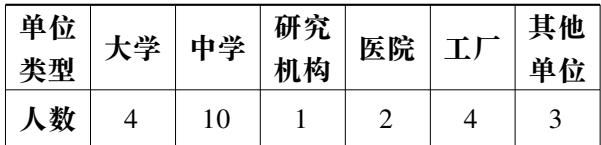
When organizing baseball activities, various localities often took into account the specific characteristics of the main participating groups and encouraged intellectuals or returned overseas Chinese to participate, aiming to "enable the broad masses of intellectuals and overseas Chinese to recognize that all sports had developed under the socialist system."3 In the 1958 National Baseball Zonal Competition involving eleven units, Shanghai, a traditional powerhouse in baseball, fielded two teams, the Red Team and the Blue Team, with Liang Fuchu and Zhu Risheng serving as coaches respectively. Apart from professional athletes, the players on these two Shanghai teams were mostly from universities, secondary schools, research institutions, and hospitals, and even included professional musicians from the Shanghai Symphony Orchestra; nearly half held university degrees. Most of them had studied at major universities in Shanghai around 1949 or had overseas experience, having learned to play baseball during their university years.4 This also reflects, from another angle, the level of baseball popularity in Shanghai at the time and the demographic composition of its main participants. During this competition, the Shanghai organizers, in addition to hosting the event, placed particular emphasis on "actively promoting baseball and publicizing it," "distributing explanatory pamphlets to help spectators understand the games." Attendance at many exciting matches exceeded 3,000 people, creating an unprecedented spectacle.5 The 1958 National Baseball Zonal Competition involving eleven units
Sources of Non-Professional Athletes in Shanghai
| Institution type | Universities | Secondary schools | Research institutes | Hospitals | Factories | Other institutions |
|---|---|---|---|---|---|---|
| Number of players | 4 | 10 | 1 | 2 | 4 | 3 |
Source: “List of Representative Teams,” Program for the 1958 National Baseball Zonal Competition Among Eleven Units (June 1–6, 1958), Shanghai Municipal Archives, Archive No. B126-1-364-7.
At the First National Games of New China in 1959, baseball was included as an official event. The Beijing team won the baseball championship; nine members of the team were returned overseas Chinese from Japan, and all subsequently received the inaugural title of “Master of Baseball” in New China.6 When the Shanghai baseball team was officially disbanded in 1963, among its sixteen players, three had university degrees, three had attended university without completing their degrees, two had graduated from high school, six were currently enrolled in high school, and two were overseas Chinese. The team’s head coach was also a member of a democratic party and had previously been an associate professor at the Shanghai Institute of Physical Education.
Given the social environment in China at the time, such a composition of personnel among athletes undoubtedly constituted a “highly educated group.” Consequently, relevant authorities actively provided support in order to achieve the effects of united front work. In addition to organizing professional competitions, authorities at various levels sometimes arranged for overseas Chinese enthusiasts of baseball and their family members to participate in the sport, reporting this as an achievement in improving the lives of returned overseas Chinese. For instance, one overseas Chinese expressed gratitude to the Party and the government for “sending his daughter to the county to train in baseball.”7 Furthermore, in regions where baseball was relatively developed, such as Shanghai, work units were required to grant special leave to “united front targets” participating in baseball.8
In addition, the new regime actively invited athletes from Hong Kong and Macao to participate in mainland sporting events, including baseball, thereby “strengthening the nation’s sports teams and winning glory for the country,” and using this approach to demonstrate that “Chinese athletes in Hong Kong have always had the sacred and glorious right to represent the motherland in international compe
titions.”9
The particular nature of baseball was determined by the distinctiveness of the primary participating groups at the time, and this distinctiveness also led to the sport being more heavily imbued with the character of sports united front work. Like “cultural united front work,” “sports united front work” offered “vast opportunities for work” in the state-building process of New China.[10] In various national competitions at the time, in addition to the sports commissions at all levels overseeing the events, united front departments also intervened to varying degrees. For example, considering the significant numbers of returned overseas Chinese, students studying abroad, and intellectuals, united front departments consistently emphasized the importance of “strengthening unity,” ensuring that these united front targets recognized that “only in a country like ours
[1] Wang Guangliang, “The First National Games Baseball Competition I Experienced,” Selected Historical Materials of Pingba, Vol. 11, 2004, pp. 160–163.
[2] People Who Built Panzhihua, Vol. 2, Chengdu Institute of Telecommunications Engineering Press, 1989, pp. 243–267.
[3] “Luwan District Sports Commission’s Plan for Municipal Baseball and Softball Training” (December 8, 1958), Shanghai Huangpu District Archives, Archive No. 060-2-
14 -33。
[4] “List of Representative Teams,” Program for the 1958 National Baseball Zonal Competition Among Eleven Units (June 1–6, 1958), Shanghai Municipal Archives, Archive No. B126-1-364-7.
[5] “Summary of the 1958 National Baseball Zonal Competition Among Eleven Cities,”
Program for the 1958 National Baseball Zonal Competition Among Eleven Units (June 1–6, 1958), Shanghai Municipal Archives, Archive No. B126-1-364-7.
[6] Fifty Years Since Returning Home: Collected Writings of Overseas Chinese Students from Japan Who Returned During the Early Years of the People’s Republic, pp. 231–239.
[7] Yang Benjing, “Diary of a Returned Overseas Chinese,” People’s Daily, July 10, 1960.
[8] “Notice on Granting Official Leave for Training of Municipal Baseball Team Members” (April 29, 1958), Shanghai Huangpu District Archives, Archive No. 060-2-
14 -15。
[9] Dong Shouyi, “Welcoming Athletes from Hong Kong and Macao to Participate in the Selection Trials in Beijing,” People’s Daily, September 12, 1956.
[10] “Sharing Weal and Woe, Mutual Trust and Respect: The United Front and Multi-Party Cooperation in the Primary Stage of Socialism,” Current Affairs Press, 1989, p. 193.
“Only under the socialist system can such a spirit exist, deeply experiencing the superiority of our country’s socialism.”1 Therefore, the existence and even prosperity of baseball can also serve as counter-evidence that united front work has been highly effective at every subtle level of society.
IV. “Playing Baseball Is a Political Task”
However, whether as “military sports” or “united front sports,” baseball entered a period of rapid decline in the 1960s, even disappearing from mainland China for a time.
While baseball was still popular in New China, state media represented by the People’s Daily had already begun to criticize the sport, often linking it to the American “corrupt and decadent bourgeois lifestyle.” News reports described American youth as wasting their time, “indulging in absurd American fads such as baseball batting averages, pitcher scores, and obscene books and pictures.”2 While criticizing this lifestyle, they further pointed out: “In the United States, baseball has become a big business for making money, strictly controlled by monopoly organizations. Recently, with the general phenomena of inflation and market shrinkage in the United States, the baseball industry under the manipulation of monopoly organizations has become increasingly depressed.”3
The dramatic changes in the political situation made baseball’s own “capitalist characteristics” appear increasingly incongruous in socialist China. After the Anti-Rightist Campaign, the CCP’s united front strategy underwent a subtle shift; and after the turmoil of opposing “military dogmatism,” senior military officers who had once supported baseball were successively criticized. At the same time, if one hoped to conduct international exchanges through sports competitions, it was difficult to achieve the desired political propaganda effect. This was because, at the time, most countries and regions where baseball was well developed were concentrated in the so-called “Western camp,” while the popularity of baseball in socialist countries was low.
Due to the aforementioned reasons, state-level support for baseball decreased significantly after 1960. National competitions were successively suspended, the August 1st Baseball Team, which had hoped to participate in international competitions, was disbanded, and the State Sports Commission even began to consider disbanding professional teams nationwide.
By 1963, except for Shanghai, professional baseball teams across the country had been successively disbanded, and the only remaining Shanghai team was in a “dying” predicament. A report from the Shanghai Sports Commission to the Cultural and Educational Office of the Shanghai Municipal People’s Committee in May 1963 pointed out that the actual situation of the baseball team had already lost the conditions for professionalism, and considered that “the task of the baseball team was unclear”: if the goal was to win the national championship, there had been no national competitions for three years; if the goal was to catch up with international standards, the current situation made this impossible, and they almost never competed abroad.4 In June of the same year, the Shanghai Baseball Team, then the last professional baseball team in the country, ultimately could not escape the fate of being disbanded, with baseball retained only as a so-called “reserved project.”5 In the following two years, all professional baseball competitions on the mainland were suspended, and all professional teams were disbanded. Athletes either changed careers or switched to other sports.
However, just as baseball was on the verge of disappearing, dramatic changes in international politics brought the sport “back from the dead,” assigning it the political task of “sports diplomacy” due to the revolution in the Caribbean island nation on the other side of the globe. In April 1961, the “Bay of Pigs Incident” erupted. After successfully repelling the invading forces, the nascent Cuban revolutionary regime officially announced it would build a socialist state, in exchange for economic and military support from the Soviet Union. After the Cuban Missile Crisis, the Cuban leadership led by Castro still regarded allying with Moscow and joining the socialist camp as the most important cornerstone of its foreign policy. China and Cuba had formally established diplomatic relations as early as 1960. In addition to actively promoting political relations, the Chinese side also hoped to strengthen ties with this emerging socialist country through sports and cultural exchanges.
At the same time, the divergence between China and the Soviet Union had gradually become public and heated, with frictions and conflicts between the two sides occasionally appearing at various international occasions. The Soviet Union was very concerned about the expansion of the CCP’s influence in Cuba, worrying that Mao Zedong’s “warlike” remarks and Castro’s “fanatical emotions” would stimulate each other, leading to more serious international incidents.6 In contrast, China naturally hoped to
[1] “Summary of the 1958 National Baseball Zonal Competition among Eleven Cities,” Program of the 1958 National Baseball Zonal Competition among Eleven Units (June 1–6, 1958), Shanghai Archives, Archive No. B126-1-364-7.
[2] [US] Dick Wasserman, “Looking at the Pathological State of American Society through the Corruption and Decadence of American College Students,” People’s Daily, December 7, 1957.
[3] Leshan, “The Baseball Industry under the Control of Monopoly Capital,” People’s Daily, October 31, 1957.
[4] “Report on the Ideological Situation of the Baseball Team and Future Training Work” (May 21, 1963), “Report on the Disbandment of the Professional Baseball Team,” Shanghai Archives, Archive No. B126-1-696-
104。
[5] “Report of the Shanghai Municipal Sports Commission on the Proposed Disbandment of the Professional Baseball Specialty” (June 11, 1963), “Report on the Disbandment of the Professional Baseball Team,”
Shanghai Archives, Archive No. B126-1-696-
104。
[6] [RU] Prozzhemonshkov, translated by Xu Jianbo, “The Sino-Indian Conflict, the Cuban Missile Crisis, and the Sino-Soviet Split,” Digest of Modern Foreign Philosophy and Social Sciences, No. 4, 1998.
win Cuba’s political support for its side; although it could not provide the massive economic aid offered by the Soviet Union, it hoped to gain recognition at the political and cultural levels.
As a new member of the socialist camp, Cuba had long been influenced by the United States historically, with its culture, sports, and other aspects differing greatly from those of socialist countries in Eastern Europe and Asia. Baseball is the most popular sport in Cuba, which is also quite different from the situation in other Latin American regions where football is more popular. As early as early 1962, Chinese official media, when reporting on the “new spirit of the revolutionary masses in Cuba,” mentioned that “there are 136 youth baseball teams nationwide in Cuba, and 210,000 people participated in the national baseball competition held in Havana.”1 This also made it possible for China and Cuba to later use baseball as a tool to promote sports diplomacy.
After relations between Cuba and the United States deteriorated, Cuba not only suffered an economic blockade but also faced suppression in the international sports arena. In November 1963, the International Amateur Baseball Federation revoked Cuba's qualification to host the 16th Amateur Baseball Championship. The Chinese government voiced its support for the Cuban government, accusing "the president of the International Amateur Baseball Federation, Seka, of faithfully executing the policy dictated to him by his masters, while those who claimed that sports and politics should not be mixed had violated Cuba's rights for political reasons."2 At this time, China had just participated in the "Games of the New Emerging Forces" held in Indonesia, which was the first comprehensive international sports event in which New China had fully participated. Given that China could not smoothly participate in the Olympic Games, the political significance of these games far outweighed the athletic competition itself. As Chen Yi, the Vice Premier at the time, stated: "The first Games of the New Emerging Forces fully demonstrate that emerging countries, having broken through the control, obstruction, and sabotage of imperialism and old and new colonialism, are able to unleash their vigorous and great strength." Through the hosting of the games, a new spirit and new style of "distinguishing friends from enemies and not acting as a tiger's assistant" were to be established.3 Against the backdrop of increasingly prominent sports diplomacy, China began to systematically send sports delegations for swimming, basketball, gymnastics, and other sports to Cuba for
exchange visits.
During the exchange visits of sports and cultural delegations, Chinese representatives recognized the unparalleled popularity of baseball in Cuba. "The nationwide love for baseball in Cuba left a deep impression on us. Premier Castro frequently attended baseball games in person to watch, throw the first pitch, and supervise the matches, sometimes even directly commanding the play or participating in the games." On one occasion, while the Chinese delegation was watching a baseball game at the Latin American Stadium in Havana, Castro, upon receiving them, enthusiastically said: "The people really love this."4 In the summer of 1964, after a baseball game at the Latin American Stadium, Castro received the Chinese swimming and gymnastics teams. "He personally participated in this match. In this game, the Oriente team, which he joined, defeated the Havana team. Chinese athletes were invited to watch this traditional sport of the Cuban people."5
Furthermore, the Chinese side spared no effort in praising the level of Cuban baseball: "Especially baseball, whether viewed from the perspective of popularization or improvement, its level is world-class. The Cuban baseball team won the championship at the fourth Pan American Games last year by defeating the American team thirteen to one. The Americans tried to buy the championship team with heavy sums of money, but not a single Cuban athlete fell for it. This incident is still talked about as a fine story." Although Cuba enjoyed the status of a "world power" in the baseball world, within the socialist camp at the time, it was "too lofty to find many harmonizers." The Soviet side had even suggested that Cuba should switch to developing football. Against the backdrop of the Sino-Soviet dispute reaching its climax, the Chinese side viewed this as evidence exposing Soviet great-power chauvinism and launched a fierce critique in the People's Daily: "Some people, using the excuse that other socialist countries generally do not develop baseball, wanted to abolish baseball in Cuba and insist on football. This idea, which goes against the will of the people, is obviously unworkable, even when it comes to something as small as baseball."6
Consequently, when China and Cuba discussed plans for sports and cultural exchanges in 1964, the Chinese side proactively invited Cuba to send baseball experts for visits and teaching. Under this plan, in October 1965, Cuba sent a delegation of baseball coaches to visit China, helping to train Chinese baseball coaches and improve the competitive level of Chinese athletes. This was the first foreign-related activity in the history of baseball in New China.7 However, at this time, China had already disbanded its professional baseball teams for nearly two years, and there were no professional positions for baseball coaches. Nevertheless, the political significance of this visit by the Cuban baseball delegation to China was great, and moreover, Sino-
[1] "Mass Sports Activities in Cuba Develop Rapidly," People's Daily, March 1, 1962.
[2] "Cuba Protests Against the Unreasonable Decision of the International Amateur Baseball Federation," People's Daily, November 20, 1963.
[3] Collection of Documents on the Foreign Relations of the People's Republic of China, Volume 10, World Knowledge Publishing House, 1965, pp. 431–432.
[4] Rong Gaotang: "Returning from a Visit to Heroic Cuba," People's Daily, April 30, 1964.
[5] "Premier Castro Receives Our Swimming and Gymnastics Teams," People's Daily, September 1, 1964.
[6] Rong Gaotang: "Returning from a Visit to Heroic Cuba," People's Daily, April 30, 1964.
[7] Chen Xianming, Liang Youde, and Du Kehe: History of Baseball in China, p. 45.
Cuban relations were at a delicate moment, standing at a "crossroads."1
This baseball training class operated under the leadership of the State Sports Commission and the Shanghai Municipal Sports Commission. The Ministry of Foreign Affairs and the Foreign Affairs Office of the Shanghai Municipal People's Committee provided supervision and guidance, organized trainees to receive specialized foreign affairs education, established political discipline, and strengthened ideological leadership. At the beginning of the intensive training, some participants believed: "Baseball hasn't been practiced for several years... training has no relation to my work, learning it is useless, and I'm just here to be a companion." In response to such thoughts, the State Sports Commission personally supervised ideological work, clearly informing the trainees that "playing baseball is a political task," which must be linked to "current production, study, and especially socialist education." Throughout the preparation and execution of the training, athletes had to realize that "this is not just a personal matter, nor an issue for a single team, but involves our honor and our political influence internationally."2
Since it was a "political task," besides teaching baseball techniques, the more important aspect was to "hold high the banner of friendship and unity in reception work, and do more work to win people over." In terms of specific work strategies, it was required that "the tone of anti-imperialism can be raised somewhat, but we should not proactively discuss anti-revisionism, nor force the other side to state their position. If the other side proactively mentions anti-revisionism, we can clarify our stance and viewpoints. If Castro's speeches are involved, we can express our views as personal opinions."3
On the morning of October 10, 1965, the Cuban baseball coaching delegation flew from Beijing to Shanghai. The head of the delegation was Juan Ealo de la Herrán, and the coaches were Alberto Álvarez Cortés Matanzas and Pedro Jiménez Díaz. As "the first aid provided to a brother country in the six years since Cuba's victory," the Cuban side also attached some importance to this visit by the baseball delegation, hoping to use it to ease the slightly tense relations with the Chinese side. Fidel Castro was naturally aware of this matter and, before the delegation departed, sent his brother Raúl Castro to discuss the relevant details.4
Chinese translators and escorts paid close attention to the political views and statements of their counterparts during exchanges. In the activity briefings regularly submitted by the State Sports Commission, the vast majority of content was related to politics and diplomacy, while descriptions of sports such as baseball were few and far between. During the baseball training course, political turmoil occurred in Indonesia, and the Sukarno regime was overthrown. The Chinese side specifically arranged for personnel to gather the Cuban coaches to discuss news of the "drastic changes in the Indonesian situation," hoping to use this opportunity to propagate the political viewpoint that "anti-imperialism must never slacken." Although the head of the Cuban delegation had previously taken a "high anti-imperialist tone" and stated that "anti-imperialism must also be waged on the sports front; we must not only engage in anti-imperialist struggle but must defeat American imperialism,"5 there was little response to the Chinese propaganda. The other two coaches, "Pedro and Alberto, fell asleep while listening."6
Although the Cuban representatives repeatedly emphasized Cuban-Chinese friendship, they were quite cautious about any discussions involving politics and reluctant to express their views easily. During one conversation, the Cuban delegation head mentioned that on his way to China, he had passed through Prague and met the chairman of the Cuban Sports Commission, who was attending a conference of sports leaders from socialist countries in Leipzig. They discussed the question, "Yugoslavia is not socialist, so why was it also invited to this conference?" Realizing that the Cuban representatives' topic might touch upon "anti-revisionism," the Chinese personnel immediately seized this opportunity to probe the Cuban coaching team's attitude toward the Soviet Union. They said to the delegation head: "Yugoslavia colludes with American imperialism to attack the Communist Party, expanding the differences between the two parties into relations between the peoples of the two countries. Although the Soviet Union has very bad relations with us, our peoples still maintain friendly exchanges."7 Upon hearing that the topic had shifted to Sino-Soviet relations, the Cuban representatives immediately adopted an evasive attitude and turned to the issue of opposing American imperialism.
When the training concluded at the end of December 1968, the Cuban coaches repeatedly praised the students, stating, "We have never taught such enthusiastic and hardworking students," and "They maintained good discipline in the classroom and on the sports field, demonstrating the strong organizational skills and good discipline of our Chinese comrades."8 However, no obvious progress was made in the realm of propagating political concepts; most Cuban representatives had no interest in the topic of "anti-
[1] Due to the urgent need for economic aid from the Soviet Union, Cuba inevitably chose to side with the Soviet Union in the Sino-Soviet split. At the end of 1964, delegations from nine Latin American countries, including the Integrated Revolutionary Organizations of Cuba, visited China and the Soviet Union successively, hoping that both sides would cease their public polemics. In March 1965, at a mass rally in Havana, Castro criticized Chinese leaders and their remarks detrimental to the unity of the socialist camp without naming them. In September, the Cuban Ministry of Foreign Affairs protested against the Chinese embassy's distribution of propaganda materials, considering it an infringement of its sovereignty.
[2] "Summary of the Work of the National Baseball Coaches Training Class" (February 1, 1966), Shanghai Municipal Archives, File No. B126-1-888-85.
[3] "Supplementary Opinions of the Shanghai Municipal Sports Commission on Hosting the Three Cuban Baseball Coaches" (October 9, 1965), Shanghai Municipal Archives,
File No. B126-1-888.
[4] "Briefing on the Shanghai Municipal Sports Commission's Hosting of the Cuban Coaching Delegation" (October 19–22, 1965), Shanghai Municipal Archives, File
No. B126-1-888.
[5] "Briefing on the Shanghai Municipal Sports Commission's Hosting of the Cuban Coaching Delegation"
(October 12–14, 1965), Shanghai Municipal Archives, File
No. B126-1-888.
[6] "Briefing on the Shanghai Municipal Sports Commission's Hosting of the Cuban Coaching Delegation" (October 19–22, 1965), Shanghai Municipal Archives, File
No. B126-1-888.
[7] "Briefing on the Shanghai Municipal Sports Commission's Hosting of the Cuban Coaching Delegation"
(October 23, 1965), Shanghai Municipal Archives, File No. B126-1-888.
[8] "Briefing on the Shanghai Municipal Sports Commission's Hosting of the Cuban Coaching Delegation"
(October 23, 1965), Shanghai Municipal Archives, File No. B126-1-888.
revisionism." When pressed, they merely shouted a few "anti-imperialist slogans" to cope. This delegation's visit also became the last sports and cultural exchange between China and Cuba during that era. In 1966, trade negotiations between the two sides reached a deadlock, and their relations moved further toward tension and confrontation. With the intensification of the Sino-Soviet conflict, Sino-Cuban relations gradually deteriorated, only recovering in the 1980s.
V. Concluding Remarks
In the early days of the People's Republic of China, the new regime, on the one hand, actively restored and developed sports, and on the other hand, explicitly proposed that "in carrying out sports activities, sports commissions at all levels must operate under the leadership of party committees and governments at all levels, rely on the Youth League, and coordinate with relevant departments to ensure that sports are closely integrated with and serve the current central tasks," and it "criticized the tendency of sports work to deviate from politics." In the political atmosphere of the time, sports were regarded as "one of the important means of cultivating the people's bravery, perseverance, and collectivist spirit, and of conducting communist education among the working people," and party committees at all levels were also expected to "treat sports work as one of the responsibilities of the propaganda department."1 Similar situations had also occurred in the Soviet Union, where the interaction between the Soviet regime and sports, as well as public health and sports enthusiasm, became important sources of legitimacy for the political system and ideology.2
Against this background, it is not difficult to understand the fate of baseball in the People's Republic of China. Liang Fuchu, known as the "Father of Chinese Baseball," described the development of baseball in China before 1949 as "abnormally slow."3 By comparison, after the 1950s, he was once a guest of honor for the East China Military Region, the Southwest Military Region, and the Navy's sports teams, received by high-ranking leaders of the party, government, and military, and trained local teams in his capacity as a baseball expert. However, after 1960, although there were occasional fluctuations, baseball almost disappeared from mainland China, only gradually recovering after the "Cultural Revolution." To this day, the popularity of this sport in China may not even match its status before 1949. As another prominent Chinese baseball coach, Li Minkuan, stated: "Baseball... was introduced from the United States, and in the fourteen years after 1960, it was 'naturally' 'transformed' into a blank in our country. It is no exaggeration to say that this was a regression in human civilization, for which one or even several generations paid a multiplied price."4
Toward the end of the "Cultural Revolution," signs of a revival in baseball emerged. In 1974, the national baseball competition was held again after a thirteen-year hiatus, with diplomatic and political factors continuing to play a decisive role in the restoration of the sport. Against the backdrop of the normalization of Sino-Japanese relations and the Taiwan issue, mutual visits by baseball delegations became a mode of interaction between China and Japan at the time. In 1975, the Japanese "Friendship Ship" baseball team and the baseball team of Aichi Institute of Technology visited China in succession; the baseball team of Taiwanese compatriots residing in Japan also visited in the same year, holding exchange matches across the country.5 In 1976, the Hosei University baseball team and a Japanese coaching delegation visited China. Over the following two years, China also sent baseball delegations to visit Japan in succession. In addition to their foreign visit duties, domestic baseball figures were often required to play a role in the united front. In 1979, Cai Jizhou, a former vice president of the Chinese Baseball Association and a Japanese overseas Chinese of Taiwanese origin, participated in the International Olympic Committee's Nagoya Conference as a representative. During the conference, Song Zhong, the head of the Chinese delegation, asked Cai Jizhou to proactively contact the Taiwanese representatives and find opportunities to discuss sports and share feelings of kinship with them.6
Of course, it is not uncommon for sports to assume "diplomatic" or "political" roles in countries around the world. Taking baseball as an example, the United States and Cuba also attempted to organize a baseball match in Havana in 1975. Officials from the US State Department proposed promoting "Baseball Diplomacy" by emulating "Ping-Pong Diplomacy," but the proposal was rejected twice by then-Secretary of State Kissinger.7
[1] Selected Important Documents Since the Founding of the People's Republic of China, Vol. 5, Central Party Literature Press, 1993, pp. 16–17, 9–10.
[2] Tricia Starks,Body Soviet: Propaganda,Hygiene,and the Revolutionary State,Madison: University of Wisconsin Press,2008,pp.209 -210.
[3] Liang Fuchu, Guide to Baseball and Softball, Shanghai Panda Sports Association, 1949
, p. 2.
[4] Fifty Years After Returning Home: Collected Writings of Overseas Chinese Students Who Returned to China in the Early Years of the People's Republic, pp. 233–234.
[5] "Flesh and Blood Compatriots, Deep Affection and Long Sentiment—Recalling the Days of Baseball Players from Taiwan Province in Lüda," Lüda Daily, June 21, 1975; "Deep Affection Between Flesh and Blood—Recalling the Gansu Provincial Baseball Team and the Taiwan Provincial Baseball Team," Gansu Daily, October 16, 1975.
[6] Fifty Years After Returning Home: Collected Writings of Overseas Chinese Students Who Returned to China in the Early Years of the People's
Republic, p. 449.
[7] “Letter from Bowie K.Kuhn to Henry Kissinger” ( Janu-ary 14,1975) ,National Security Archive Electronic Brie-fing Book No.12,http: / /www.gwu.edu / ~nsarchiv /NSAEBB /NSAEBB12 /docs/doc01.pdf; “Action Memo-randum: Baseball Team to Cuba”( February 14,197) ,Department of State,Secret Cable,National Security Ar-chive Electronic Briefing Book No.12,http: / /www.gwu.edu / ~nsarchiv /NSAEBB /NSAEBB12 /docs/doc07.pdf;“Baseball Exchange with Cuba”,Department of State,Confidential/Eyes Only Memorandum,National Security Ar-chive Electronic Briefing Book No.12,http: / /www.gwu.edu/ ~nsarchiv/NSAEBB/NSAEBB12 /docs/doc14.pdf.
In South Korea during the 1980s, the military government of Chun Doo-hwan promoted the so-called "3S Policy (3S, Sports, Sex, Screen)," hoping to defuse the increasingly high political demands of the South Korean public through popular entertainment and leisure activities such as professional baseball games. At the time, South Korean public opinion referred to this as "national hypnosis."1
Sports in New China were also highly politicized, evidently in response to the state’s practical needs at the time. Decisions about which sports—and even which cultural activities—to promote or reject were primarily pragmatic. The complexities of ideology and the volatile political situation meant that baseball’s flourishing could only be brief. Whether used for military training, as a vehicle for united front achievements, or as a readily available diplomatic tool, the sport served the state’s practical purposes and often depended on the needs of the moment. In this sense, the relationship between politics and sport has continued for decades, shaping the direction of policy in China.
(The author of this article is an assistant researcher at the Shanghai Library, Shanghai 200031)
(Responsible editor: Wu Zhijun)
[1] “Imbalance in Publicity” (홍보의 불균형), Dong-A Ilbo (동아일보), 24 May 1984; accessed 22 June 2009.